Rising dramatically from the Arabian Peninsula, the Red Dunes of Dubai have silently witnessed millennia of human civilization, trade, and survival. Their rust-colored crests hold secrets stretching back thousands of years, waiting for curious travelers to uncover them.
The iconic red sand dunes located approximately 45 kilometers southeast of Dubai city center in the Al Badayer region owe their distinctive crimson hue to iron oxide, or rust, that has slowly coated individual sand grains over tens of thousands of years. Formed during the late Pleistocene epoch, these aeolian dunes were shaped by persistent Shamal winds blowing from the northwest, gradually sculpting the undulating landscape visitors marvel at today. The Arabian Desert itself is estimated to be around 2 to 3 million years old, though the specific dune formations at Al Badayer stabilized into their recognizable form roughly 10,000 to 12,000 years ago following the last major climatic shift in the region.
Long before the gleaming towers of modern Dubai existed, the land surrounding the Red Dunes served as a critical corridor for early human migration and trade across the Arabian Peninsula. Archaeological evidence recovered from sites near the Sharjah and Dubai hinterlands indicates that nomadic hunter-gatherers traversed these sands as far back as 5,000 to 7,000 BCE, following seasonal rains and grazing herds of oryx and gazelle. Stone tools and flint arrowheads unearthed in the broader Al Hajar foothills region confirm sustained human activity in and around the desert interior, painting a picture of remarkably resilient early peoples who had already learned to read the desert's rhythms and resources.
For the Bedouin tribes of the Arabian Peninsula, the Red Dunes region was never merely an obstacle — it was home, larder, and spiritual landscape all at once. The Bani Yas tribal confederation, which would eventually give rise to the ruling families of both Dubai and Abu Dhabi, regularly moved their encampments through the desert interior around Al Badayer during cooler winter months, herding camels and goats across the russet sands. Their intimate knowledge of dune geography, underground water sources called aflaj, and seasonal wind patterns allowed them to survive and even thrive in conditions that would prove fatal to the uninitiated. This deep ecological literacy became the foundation of Emirati cultural identity.
The camel caravans that crisscrossed the Red Dunes region for centuries carried far more than goods — they transported ideas, languages, and cultures between the Persian Gulf coast and the broader Arabian interior. Frankincense, dried dates, pearls harvested from Gulf waters, and later coffee all moved through these desert routes, making the dunes a silent witness to the ancient Incense Road trade network. Bedouin hospitality, or diyafa, was refined and codified in desert campsites much like those near Al Badayer, where travelers were obligated to receive shelter, food, and protection for at least three days regardless of tribal affiliation. This tradition remains deeply embedded in Emirati culture and is ceremonially echoed in modern desert camp experiences.
Falconry, one of the most celebrated traditions associated with Emirati desert culture, was practiced extensively across the Red Dunes landscape for at least 2,000 years. Bedouin falconers would capture and train Saker and Peregrine falcons during autumn migration seasons, using them to hunt Houbara bustards across the open desert plains. UNESCO recognized falconry as an Intangible Cultural Heritage of Humanity in 2016, and the tradition remains vibrantly alive in the UAE today. The desert also nurtured the art of Al Ayyala, a traditional poetry and performance tradition, with verses often composed around desert campfires that spoke of the dunes, stars, and the stoic beauty of life among the sands.

The transformation of the Red Dunes from a remote, largely inaccessible wilderness into one of the UAE's premier tourist attractions began gradually during the 1980s and accelerated sharply through the 1990s as Dubai's tourism infrastructure expanded. Early four-wheel-drive expeditions were largely private affairs organized for expatriate residents and foreign dignitaries seeking an authentic glimpse of the desert interior. By the mid-1990s, entrepreneurial tour operators recognized the commercial potential of the dramatic Al Badayer landscape and began offering organized desert safari packages featuring dune bashing, camel rides, and traditional Bedouin-style camp dinners. These early operators essentially invented a tourism category that would eventually become one of Dubai's most recognizable exports.
The Dubai Department of Tourism and Commerce Marketing, established in 1997, formally recognized desert experiences as a core pillar of the emirate's tourism identity and began actively promoting Red Dunes safari tours to international markets. Investment in desert camp infrastructure increased substantially in the early 2000s, with operators developing elaborate Bedouin-style overnight camps equipped with traditional Arabic furnishings, shisha lounges, live entertainment including Tanoura dancers and fire performers, and authentic Emirati cuisine. The Red Dunes at Al Badayer emerged as the preferred location for these experiences due to the photogenic quality of the iron-rich sand, the accessibility from Dubai, and the dramatic dune profiles ideal for the increasingly popular sport of dune bashing in modified Land Cruisers.
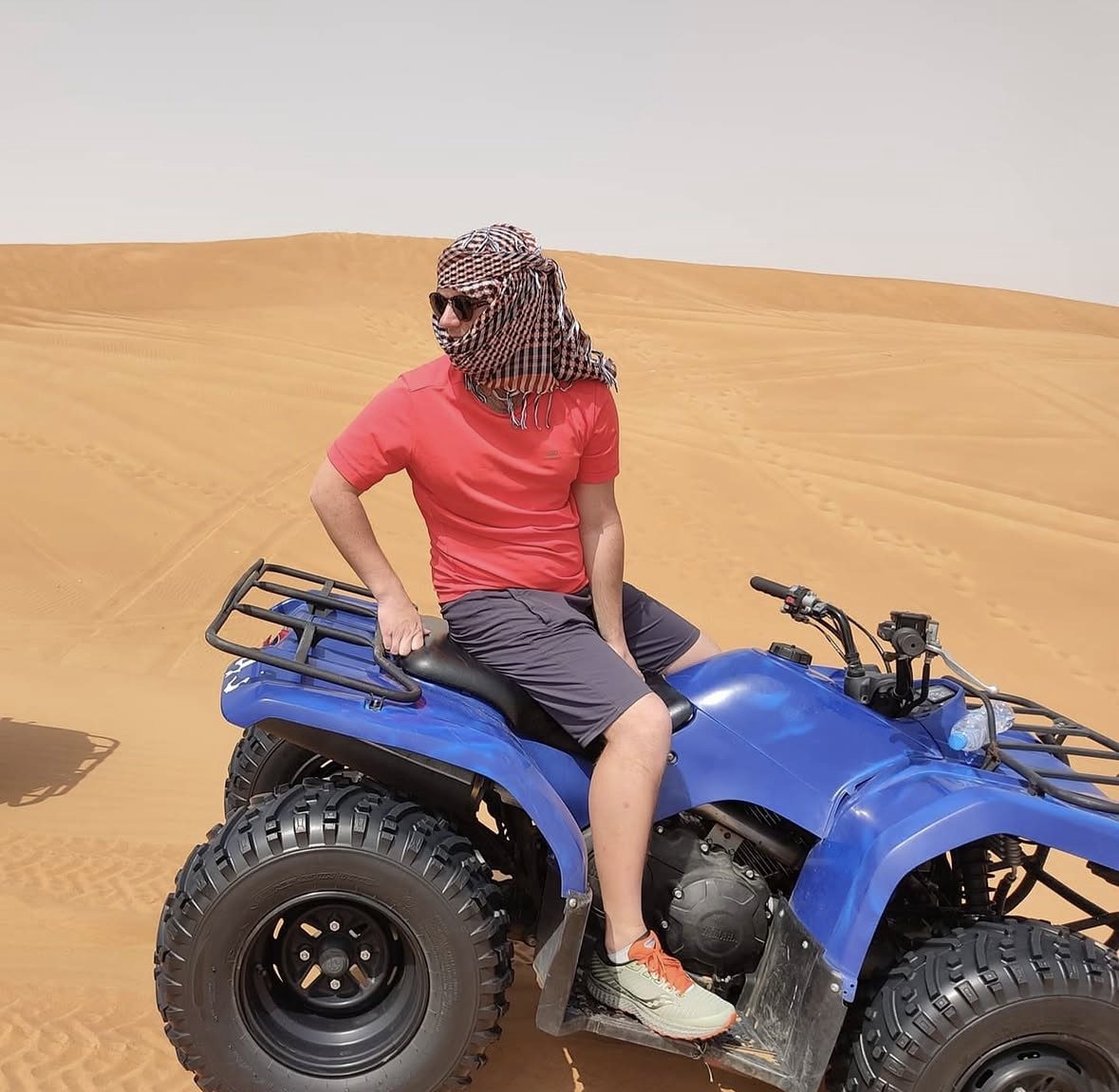
By the 2010s, the Red Dunes desert safari had evolved into a sophisticated, multi-billion-dirham industry with hundreds of licensed operators competing to offer increasingly premium experiences. Luxury operators introduced private glamping tents, gourmet dining under the stars, hot air balloon rides at dawn over the dune fields, and quad biking excursions. The Emirates Mars Mission of 2021, which saw the UAE's Hope Probe successfully enter Martian orbit, drew renewed global attention to the country's desert landscapes, which geologists had described as among the closest terrestrial analogs to the Martian surface. This extraordinary association further elevated international curiosity about the Red Dunes and contributed to a surge in high-value adventure tourism inquiries.
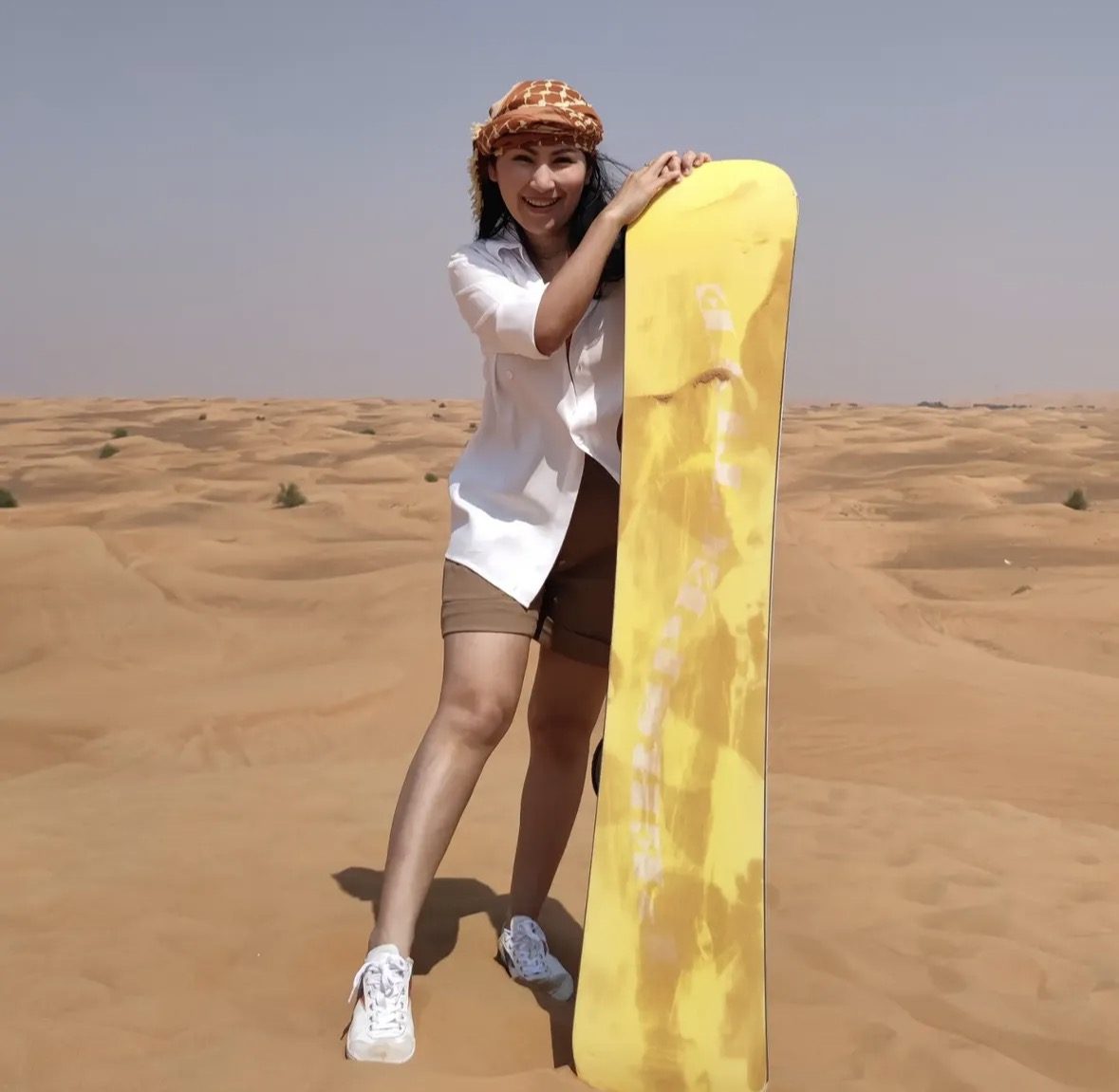
Today, the Red Dunes of Al Badayer receive an estimated one million visitors annually, making them one of the most visited natural attractions in the entire Middle East. The experience on offer spans a remarkable spectrum — from budget-friendly group safaris that include a dune bashing circuit, sandboarding, camel rides, and a buffet dinner with live entertainment, to ultra-exclusive private camps where Michelin-trained chefs prepare contemporary Emirati cuisine beneath a canopy of stars. The UAE government has implemented regulated visitor zones and conservation guidelines to protect the most sensitive dune formations while ensuring sustainable access for tourism, balancing the commercial opportunity with environmental responsibility for future generations.
Visiting the Red Dunes today means stepping into a landscape layered with geological time, human history, and living cultural tradition that no amount of glossy photography can fully prepare you for. The sensation of cresting a 100-meter crimson dune as the sun bleeds amber across the sky, or sitting cross-legged in a Bedouin tent sipping cardamom-infused qahwa coffee while a falconer demonstrates his ancient art, connects you to something far older and more profound than the modern city just an hour away. Whether you arrive for an afternoon or stay overnight under a vault of desert stars, the Red Dunes extend an invitation that once accepted, is never forgotten. Do not let this singular landscape remain only a photograph on someone else's feed — come and write your own story in the sand.
Ready to Experience It Yourself?
Thousands of travelers discover the magic of Dubai's iconic Red Dunes every week — and your perfect desert adventure is just one click away. Whether you are after a thrilling dune bashing experience, a romantic overnight glamping escape, or a cultural evening under the stars, our trusted tour partners offer handpicked packages to suit every style and budget. Browse available tours, compare options, and secure your spot now before the golden sands call to someone else first.
Book Your Tour Now